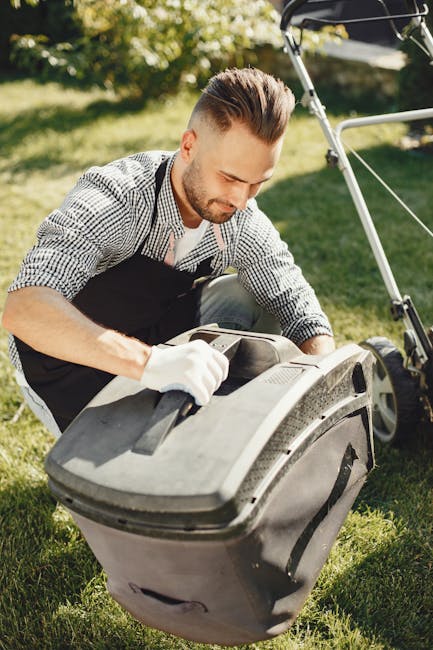
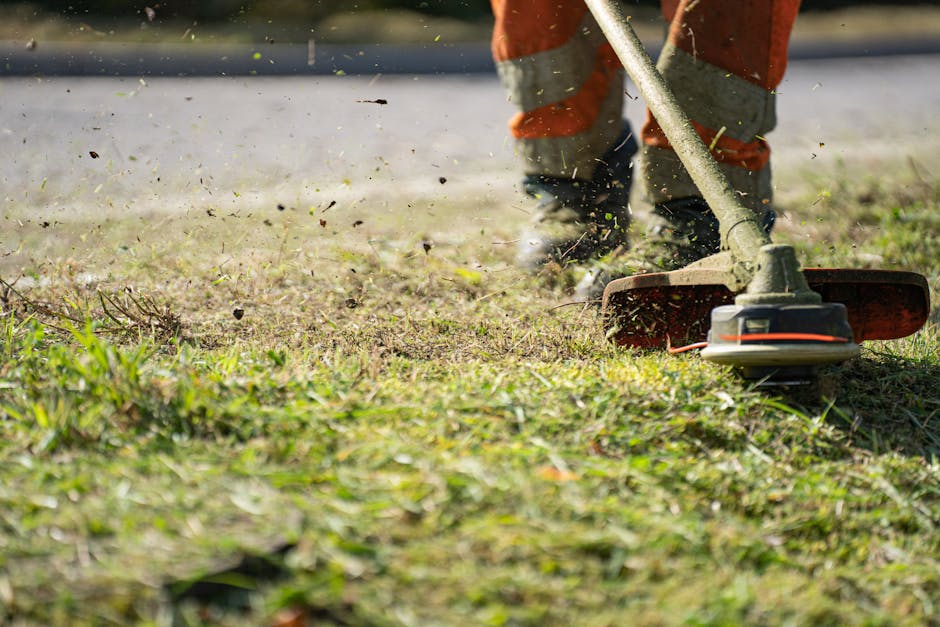
E2 gardeners same day lawn care and emergency tidy ups: fast help when your garden cannot wait
Sometimes a garden slips from "needs a quick go-over" to "this has to be dealt with today." A fallen branch after a windy night, a lawn that has grown out of hand, wet leaves on paths, or a front garden that suddenly needs to look presentable before visitors arrive - that is exactly where E2 gardeners same day lawn care and emergency tidy ups come in. You are not booking a dreamy long-term overhaul here. You need speed, judgement, and a tidy result that looks intentional rather than rushed.
In practice, same-day garden work is about restoring order quickly and safely. It is especially useful in busy parts of East London, where weather can turn in a heartbeat and outdoor space is often tight. This guide explains what the service involves, how it works, what to expect, and how to decide whether you need a quick lawn mow, a one-off reset, or a more complete visit from a professional team.
Expert summary: If your outdoor space looks untidy, unsafe, or simply embarrassing right now, same-day lawn care is usually about triage first and perfection second. Clear the hazards, cut back the worst growth, restore usable access, then finish the detail.
Table of Contents
- Why E2 gardeners same day lawn care and emergency tidy ups Matters
- How E2 gardeners same day lawn care and emergency tidy ups Works
- Key Benefits and Practical Advantages
- Who This Is For and When It Makes Sense
- Step-by-Step Guidance
- Expert Tips for Better Results
- Common Mistakes to Avoid
- Tools, Resources and Recommendations
- Law, Compliance, Standards, or Best Practice
- Options, Methods, or Comparison Table
- Case Study or Real-World Example
- Practical Checklist
- Conclusion
- Frequently Asked Questions
Why E2 gardeners same day lawn care and emergency tidy ups Matters
A neglected lawn or messy border is not just a cosmetic issue. In the real world, it can make a property feel harder to use, less safe, and less welcoming. In a flat garden, a narrow side return, or a shared front space, even a small amount of overgrowth can quickly feel like a big problem.
There are also practical reasons to act fast. Long grass can hide uneven ground, leaves can make steps slippery, and storm debris can block access. If you have children, pets, older relatives, or just a lot of foot traffic through the space, a same-day tidy-up can remove the awkwardness and reduce risk in one go.
Then there is the visual side. Let's face it, gardens say a lot before anyone even opens the back door. A sharp first impression matters for viewings, landlord inspections, last-minute events, or simply your own peace of mind after a week of heavy rain. A clean, cut, and cleared garden changes the feel of the whole place.
There is also a seasonal angle. In spring and summer, lawns can surge overnight. In autumn, leaf fall piles up in a blink. In winter, wind can scatter debris where it does not belong. A same-day service is often the sensible answer when the weather has already done its bit and you need the recovery work done quickly.
How E2 gardeners same day lawn care and emergency tidy ups Works
Same-day garden support usually follows a simple pattern: you contact the team, explain the situation clearly, and agree on the most urgent tasks first. That might be mowing, edging, leaf clearance, hedge trimming, branch removal, weed cutting, or a rapid general tidy. If the space is heavily overgrown or storm-damaged, the work may be split into an immediate safety pass and a follow-up refinement visit.
Good gardeners will usually ask a few practical questions before they come out. How large is the space? Is access easy? Are there pets on site? Is the issue a lawn, a hedge, a fallen branch, or a bit of everything? The clearer your answers, the better the plan. That is not just admin; it helps the team arrive with the right kit and enough time to do the job properly.
For emergency tidy ups, the sequence normally matters. First comes hazard removal. Then surface clearance. Then cutting and shaping. After that, the smaller finishing touches: collecting waste, sweeping hard surfaces, and making sure pathways are usable. It sounds straightforward, but getting the order wrong can waste time and create more mess than you started with. A classic example: mowing before lifting debris. Not ideal. Not ideal at all.
Many homeowners are surprised by how much can be achieved in a short visit when the work is focused. A patchy lawn can be revived, borders can be reopened, and a front garden can go from "messy" to "managed" very quickly. If a broader tidy-up is needed later, you can build on that base.
Key Benefits and Practical Advantages
The main benefit is obvious: speed. But there is more to it than just arriving fast. A skilled same-day gardener should also bring decision-making. They know what to cut, what to leave, and what can wait. That matters because emergency garden work is often about preserving what is healthy while removing what is causing the immediate problem.
- Rapid visual improvement: useful before guests, inspections, photos, or moving day.
- Safer access: paths, steps, and entrances can be cleared quickly.
- Lower stress: you do not have to spend the whole evening battling brambles and bins.
- Prevents escalation: quick action can stop a small mess becoming a larger restoration job.
- Better lawn health: timely mowing and edging can help stop grass from becoming stressed and patchy.
There is a subtle but important benefit too: momentum. Once the worst of the mess is removed, it becomes much easier to keep the garden under control. People often feel stuck when the space looks unmanageable. A same-day tidy-up breaks that feeling.
If your garden includes hedges, fences, decking, or patio areas, a quick tidy can also help other surfaces breathe again. Clearing around hard landscaping makes everything look sharper and prevents that "everything is fighting everything else" feel. It is a small thing, maybe, but it really changes the atmosphere.
Who This Is For and When It Makes Sense
This kind of service is not just for emergencies in the dramatic sense. Truth be told, most requests are practical rather than panicked. You may need it if your lawn has run away from you after a wet spell, if a hedge is suddenly blocking light, or if the whole garden needs a fast reset before you host people.
It is especially useful for:
- busy homeowners who do not have time to do a full tidy themselves;
- landlords and letting agents preparing a property for viewings or move-in;
- tenants who want to leave a garden in decent condition;
- older residents who need practical, one-off help rather than regular upkeep;
- families trying to make an outside area safe for children or pets again;
- business premises or shared spaces that need a neat presentation quickly.
It also makes sense if the weather has been rough. After a windy spell, for example, gardens often end up with scattered twigs, damaged stems, and a lawn that looks flattened or uneven. In those cases, a full redesign is not the first priority. Clearing, stabilising, and making the area usable again is.
If you are unsure whether your issue counts as "emergency" enough, ask yourself one simple question: Would I happily leave this until next week? If the answer is no, it probably deserves a same-day response.
Step-by-Step Guidance
If you are arranging E2 gardeners same day lawn care and emergency tidy ups, a straightforward plan will save time on both sides. Here is the most sensible process.
- Walk the garden first. Note the worst areas, any trip hazards, and anything fragile that should not be touched.
- Prioritise the risk points. Paths, entrances, steps, and places used by children or pets should come first.
- Separate urgent work from cosmetic work. A fallen branch is urgent; a slightly untidy border is usually not.
- Confirm access and waste removal. Make sure the team can get in, work efficiently, and take away the cuttings or debris.
- Agree the target finish. Do you need "usable and neat," or do you want the lawn striped and the edges crisp? Be realistic and direct.
- Check the result while the team is there. A quick look at the end helps catch missed spots before everyone packs up.
That last step matters more than people think. It is much easier to tidy a forgotten corner while the tools are still out than to spot it later when the light has gone and you are inside with a cup of tea. Been there, sadly.
If the job is broader than a tidy-up, you can discuss related work such as ongoing garden maintenance or a more focused lawn care approach once the immediate mess has been handled.
Expert Tips for Better Results
A few small decisions make same-day work go much smoother.
- Clear the obvious obstacles before the team arrives. Toys, plant pots, washing lines, garden furniture cushions, and loose tools all slow things down.
- Be honest about the state of the lawn. If the grass is ankle-high and there is hidden debris, say so. No one benefits from surprises.
- Ask for a safety-first order of work. Hazard removal first, then cutting, then finishing.
- Choose a finish level. Emergency tidy-ups are not always full makeovers, and that is fine.
- Think about aftercare. A tidy lawn stays tidy longer if you set a simple follow-up routine.
A practical example: if you have a front lawn that is overgrown at the edges but the centre is manageable, a smart gardener may edge first, then mow, then clear the pavement and frontage. The result looks much sharper than simply running a mower over the middle and calling it done.
If the issue is more about weeds, ivy, or rampant climbers creeping into the boundary, those jobs often need a more deliberate cut-back strategy. For deeper background, it can help to read about practical weed control approaches and how ivy problems are usually tackled.
Common Mistakes to Avoid
Emergency work can go wrong in predictable ways. The good news is that most of them are avoidable.
- Leaving it too late. A lawn that is easy to rescue today may need much more work in a week or two.
- Assuming every job is just a quick mow. Sometimes the issue is debris, drainage, or overgrowth at the boundary.
- Ignoring hidden hazards. Broken glass, sharp sticks, loose wire, and unstable branches need caution.
- Choosing the wrong finish for the space. A family garden and a property viewing need different outcomes.
- Forgetting waste disposal. A tidy cut loses its value if the bags and piles are left behind.
Another common slip is trying to do too much before help arrives. People will sometimes start heavy strimming or lifting awkward branches themselves. Fair enough, you want to help. But if the space contains hidden debris, wet surfaces, or heavy cuttings, it can be safer to leave the tricky parts to a professional team.
And yes, the lawn does not care that it has been a stressful week. It just keeps growing. Very rude of it.
Tools, Resources and Recommendations
Most same-day garden teams carry the essentials needed for rapid tidy-ups, but it helps to understand what is typically involved. For lawn work, that may include a mower suited to the grass length, edging tools, shears, trimmers, rakes, collection bags, and a way to remove debris cleanly. For emergency clearance, you may also see loppers, pruning saws, and hand tools for lighter branch or shrub removal.
For the homeowner, the most useful "resources" are not fancy. They are simple things: a clear access route, a quick note about pets, an idea of what must be done first, and a willingness to be realistic about what can happen in one visit.
Some related services can also support a tidier result after the urgent work is done. For example, if the garden needs a broader reset, you might look at lawn mowing, hedge trimming, or even patio cleaning if the hard surfaces have collected mud and leaf residue.
If the problem is beyond simple maintenance, more structural help may be relevant too. A storm-damaged boundary or a broken fence panel, for example, can change the whole feel of a garden and affect safety. In that situation, the right next step may be fencing work rather than just tidying the grass.
Law, Compliance, Standards, or Best Practice
For most homeowners, the key compliance point is safety rather than paperwork. Garden work in the UK should be done with sensible care, especially where tools, sharp edges, unstable ground, or falling debris are involved. If a gardener is working near boundaries, shared access, or awkward spaces, best practice is to protect people, property, and neighbouring gardens as much as possible.
Good practice usually includes:
- wearing appropriate protective equipment;
- checking for hazards before cutting starts;
- keeping pathways clear while work is underway;
- disposing of waste properly;
- using equipment that is suitable for the job;
- taking extra care around children, pets, glass, and uneven ground.
If tree branches or larger woody growth are involved, the work may move into a more specialised area. It is usually better to use a team that understands when a tidy-up becomes a more serious pruning or removal task. That sort of judgement is worth a lot, really.
You can also look at a company's own policies to gauge how carefully it handles work. Pages such as insurance and safety, health and safety policy, and payment and security can give you a better sense of how professionally a service is run. For wider background on the business itself, about the team can be useful too.
Options, Methods, or Comparison Table
Not every untidy garden needs the same kind of response. The best option depends on speed, scope, and what the space actually needs right now. Here is a simple comparison.
| Option | Best for | Typical result | When it makes sense |
|---|---|---|---|
| Same-day emergency tidy-up | Immediate mess, safety issues, or urgent presentation needs | Usable, clear, and presentable garden | After storms, before visitors, or when access is blocked |
| Standard lawn care visit | Routine cutting and upkeep | Neat lawn with regular maintenance | When the garden is not in crisis but needs attention |
| Full garden maintenance plan | Ongoing control of growth, weeds, and seasonal tasks | Consistent improvement over time | When the garden regularly gets away from you |
| Specialist clearance or repair work | Structural, storm, tree, or boundary-related problems | Safer and more stable outdoor space | When there is damage beyond basic cleaning |
If the garden is mainly out of control because of overgrown surfaces and missed routine cuts, a focused lawn service may be enough. If there are more moving parts - weeds, hedges, debris, broken features - a broader garden service usually gives better value.
Case Study or Real-World Example
Picture a small E2 terrace garden after a windy weekend. The lawn has grown shaggy, dead leaves are caught in one corner, and a few branches have dropped across the path. Nothing dramatic, but enough to make the space feel messy and slightly awkward to use.
The owner has friends coming over that evening and does not want the back door opening onto chaos. A same-day visit starts with the path and steps, because those are the places people will walk first. Next comes the lawn, trimmed back just enough to look deliberate and manageable. The debris is collected, the edges are cleaned, and the garden suddenly feels like part of the home again rather than a problem hiding outside.
That is the real value of emergency tidy-ups: not perfection, but relief. The garden stops nagging at you every time you look out of the window. You can breathe again. Simple as that.
Practical Checklist
Use this checklist before booking or during the first five minutes on site.
- Identify the urgent problem: overgrown lawn, storm debris, weeds, hedge spill, or blocked access.
- Make sure the team can reach the garden easily.
- Move fragile items, toys, and loose furniture out of the way.
- Note any pets, hidden hazards, or delicate plants.
- Decide the priority order: safety first, then tidiness, then detail.
- Confirm whether waste removal is included.
- Ask what can realistically be completed in one same-day visit.
- Check the final result before the team leaves.
- Set a follow-up plan so the space does not slide back immediately.
Quick takeaway: the best emergency tidy-ups are calm, focused, and practical. They fix the immediate issue, make the space usable again, and leave you with a base you can maintain.
Get a free quote today and see how much you can save.
Conclusion
E2 gardeners same day lawn care and emergency tidy ups are for those moments when the garden needs more than a weekend plan. They are the fast, sensible answer to a space that has become messy, unsafe, or simply impossible to ignore. Done well, the service restores order without drama.
The biggest win is not just a cleaner lawn. It is the shift in feeling. The place looks cared for again. The path is clear. The stress drops. And, to be fair, that matters more than people admit.
If you are dealing with overgrowth, storm debris, or a garden that has got away from you, act sooner rather than later. A quick response now is usually kinder, cheaper, and less disruptive than waiting for the mess to get bigger. And once it is sorted, you can enjoy the space again properly - which is the whole point, really.
Frequently Asked Questions
What counts as same-day lawn care?
Same-day lawn care usually means the garden is assessed and worked on within the same day you make contact, or as close to that as scheduling allows. It is best for urgent mowing, edging, and clearance jobs.
What is included in an emergency tidy-up?
It often includes removing obvious debris, cutting back overgrowth, mowing the lawn if needed, clearing paths, and making the garden safer and more presentable. The exact scope depends on the condition of the space.
Can a same-day visit handle an overgrown lawn?
Yes, in many cases. If the grass is not too extreme and access is straightforward, a same-day team can usually bring the lawn back to a neat, manageable level.
What if my garden has storm damage?
Storm damage is a common reason for emergency tidy-ups. The first step is usually to make the area safe by clearing loose debris and checking whether any branches, fencing, or structures need more specialised attention.
How quickly should I book after bad weather?
As soon as you can. The longer debris stays in place, the more likely it is to become slippery, tangled, or more difficult to clear cleanly.
Is emergency garden work more expensive than a routine visit?
It can be, because the work often needs to be prioritised, scheduled quickly, and handled with extra care. The final cost usually depends on the size of the job, urgency, and how much waste must be removed.
Do I need to be home for the appointment?
Often yes, at least at the start, so you can explain the problem and point out priorities. Some jobs can be completed with arranged access, but it is best to confirm that in advance.
What should I do before the gardeners arrive?
Move away loose items, secure pets, and make access easy. If there are any hidden risks, such as broken pots or sharp debris, mention them clearly.
Can emergency tidy-ups include hedges and borders?
Yes, if the hedge or border growth is part of the immediate problem. A quick cut-back can often make a big difference, especially where visibility, access, or first impressions matter.
How do I know whether I need lawn care or full garden maintenance?
If the issue is mainly the grass, lawn care may be enough. If weeds, hedges, borders, and general upkeep are all slipping, a broader maintenance approach will usually work better.
Will the team take away the waste?
Many services can remove cuttings and debris, but you should always check this before booking. Waste removal is a major part of what makes a tidy-up feel complete.
What is the best next step if my garden needs more than a quick fix?
Start with the urgent problem, then consider a follow-up plan for regular upkeep. That could mean routine mowing, hedge trimming, or broader garden maintenance so the space stays under control.