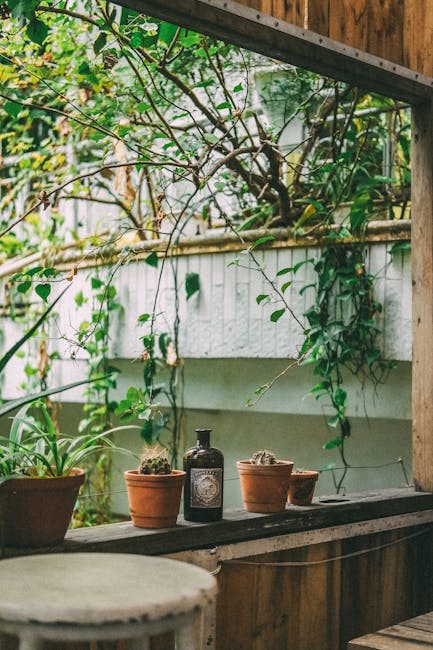
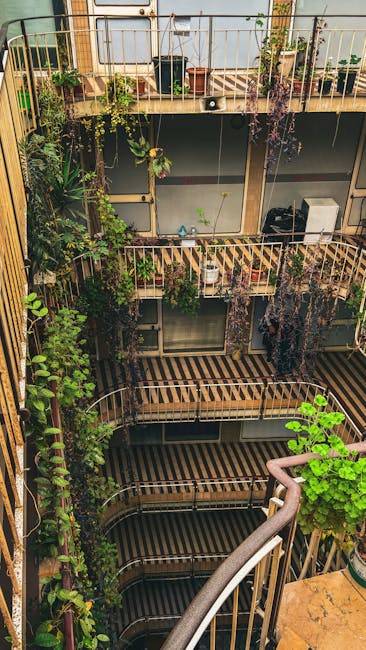
Haggerston gardeners guide to Kingsland Road balcony gardens
If you live near Kingsland Road, you probably already know the balcony can be both a little gift and a bit of a challenge. It gets the best light at odd angles, catches wind when you least expect it, and somehow collects every dropped leaf, old pot and stray bit of grit. Yet with the right plan, a balcony becomes more than an outdoor ledge. It becomes a proper living space. This Haggerston gardeners guide to Kingsland Road balcony gardens is designed to help you make that happen without wasting money, space, or patience.
In practice, balcony gardening in Haggerston is about working smart. You need plants that suit exposed urban conditions, containers that drain properly, and a layout that feels calm rather than cluttered. That is the sweet spot. And yes, it is entirely possible to create something lovely even if the balcony is narrow, shaded for part of the day, or only gets a few hours of sun. Let's face it, most real balconies are not magazine shoots. They are usable spaces with quirks. That is fine.
Below, you'll find a practical guide to designing, planting, protecting and maintaining a balcony garden on or near Kingsland Road, plus helpful links to related advice on container gardening essentials, vertical growing ideas, and dealing with wind exposure when the weather turns lively.
Table of Contents
- Why this matters for Kingsland Road balconies
- How balcony gardening works in practice
- Key benefits and practical advantages
- Who this is for and when it makes sense
- Step-by-step guidance
- Expert tips for better results
- Common mistakes to avoid
- Tools, resources and recommendations
- Law, compliance, standards and best practice
- Options, methods and comparison table
- Case study or real-world example
- Practical checklist
- Conclusion
- Frequently asked questions
Why Haggerston gardeners guide to Kingsland Road balcony gardens Matters
Kingsland Road is busy, built-up and full of character, which is exactly why balcony gardens matter here. Outdoor space in this part of London is usually limited, so the balcony has to work hard. A well-planned balcony can soften hard brick and glass, give you privacy from neighbouring windows, and make your flat feel calmer the moment you step outside.
There is also the local reality of urban growing conditions. Pollution, reflected heat, shade from tall buildings, and gusty crosswinds all affect what will thrive. A plant that looks fine in a garden centre can struggle badly if it spends its life in a small container on an exposed fourth-floor balcony. That is not a failure on your part. It just means the site needs a different approach.
For Haggerston residents, balcony gardening is often about quality of life as much as looks. A few herbs near the door, a bit of evergreen structure, and one seat that actually fits can turn a forgotten corner into a small daily ritual. Morning coffee. A bit of rosemary in the air. Evening watering. It sounds simple, because it is.
And in our experience, small urban gardens work best when they have one clear purpose: relaxation, growing food, screening views, or all three. If you try to make the balcony do everything, it starts to feel busy and awkward very quickly.
How Haggerston gardeners guide to Kingsland Road balcony gardens Works
Balcony gardening is not about copying a ground-level border in miniature. It works differently. You are building a controlled growing environment on a raised, sometimes exposed surface. That means the soil, drainage, container choice and plant selection matter more than usual.
The basic process is straightforward:
- Read the light: work out whether the balcony gets morning sun, late sun, full shade or a mix.
- Check the wind: exposed balconies dry out faster and may need screening or heavier containers.
- Measure the load: know what space you have and avoid overloading the structure with overly large planters or saturated soil.
- Choose containers that drain well: waterlogged roots are one of the quickest ways to lose plants.
- Pick plants for the site, not the wish list: herbs, compact shrubs, trailing plants and some climbers can all work well.
- Build upward: shelves, rail planters and trellis systems are often more useful than a row of bulky pots.
In real terms, a Kingsland Road balcony garden usually succeeds when you treat it like a flexible system. You may need to move pots with the seasons. You may decide one side gets too much wind and needs screening. You may find that the basil is happy but the parsley sulks. That is normal. Gardening, annoyingly and wonderfully, is a process of adjustment.
If you want a deeper starting point on structure and planting, these garden transformation strategies are useful reading alongside this guide.
Key Benefits and Practical Advantages
Balcony gardens are not just decorative. Done well, they genuinely improve how a home feels and functions.
- More usable outdoor space: even a narrow balcony can become a place to sit, grow, or unwind.
- Better privacy: carefully chosen screens, climbers or taller containers can reduce overlooked sightlines.
- More greenery, less hardscape: plants soften the look of concrete, metal and glass.
- Fresh herbs and edibles: a few compact crops can make cooking more enjoyable, even in a tiny space.
- Improved mental reset: small outdoor moments matter, especially in dense urban areas.
- Seasonal interest: you can change the feel of the balcony with simple swaps, without a major redesign.
There is also the practical advantage of flexibility. A balcony garden can be reworked more easily than a traditional garden. If something fails, you do not have to start from scratch. You just try a better plant, a different pot, or a smarter position. That low-stakes quality is one reason so many people stick with it once they begin.
Expert summary: On Kingsland Road, the best balcony gardens usually combine three things: resilient plants, reliable drainage, and a layout that keeps the space easy to use. Beauty comes after that, and usually because of it.
Who This Is For and When It Makes Sense
This guide is for anyone with a balcony near Kingsland Road who wants a better outdoor space without turning it into a maintenance headache. That includes renters, first-time plant owners, busy professionals, families with limited outdoor room, and anyone who has tried growing a few things before and watched them flop in the wind. Happens to the best of us.
It makes sense if you want one or more of the following:
- a calmer place to sit with a coffee or book
- a bit of screening from nearby windows
- herbs within easy reach of the kitchen
- a greener view from inside the flat
- a more welcoming outdoor area for guests
It also makes sense if your balcony is awkwardly shaped. Actually, awkward balconies often benefit the most from good design. A long, narrow strip can take vertical planting beautifully. A tiny square balcony can be zoned with one chair, two tall pots and a slim shelf. The space suddenly feels intentional rather than cramped.
For families, pet owners or people who use the balcony often, it is worth thinking about safety and resilience too. If you need ideas for a more practical outdoor setup, the guide to dog-approved garden ideas offers a useful mindset for durable, low-risk planting choices.
Step-by-Step Guidance
Here is a practical method you can follow without needing a full redesign. Take it step by step. No rush.
1. Start with the conditions, not the shopping basket
Spend a day noticing where light lands, where wind funnels through, and which corners stay damp or dry. A balcony on Kingsland Road may get bright reflections from nearby buildings, but actual direct sun can be shorter than expected. That matters when you choose plants.
2. Decide on the main purpose
Ask yourself what the balcony must do best. Is it for growing herbs? Creating privacy? Making room for a chair? If you know the main job, you can avoid clutter. One strong purpose usually beats five half-finished ideas.
3. Select containers with drainage holes
It sounds basic, but it is one of the biggest success factors. Most balcony plants fail because roots sit in water or dry out too fast. Terra cotta breathes well but dries quickly. Plastic retains moisture better. Fibreglass and resin are lighter and often easier on upper floors. Choose with both weight and weather in mind.
4. Use a good growing medium
For container growing, the potting mix has to be open, moisture-retentive but free draining, and suitable for the plants you choose. If you want to make the most of home-grown organic matter, this guide to turning waste into nourishing soil is a sensible companion piece.
5. Layer the space
Place taller items at the back or against a wall, mid-height pots in the middle, and trailing plants at the edge. Vertical planters or narrow shelving can instantly create depth without taking away floor space. If your balcony feels bare and boxy, this one change can be surprisingly effective.
6. Plant for structure and softness
A good balcony garden usually has a backbone and a bit of movement. Backbones might be evergreen shrubs, trellis climbers or tall grasses. Softness comes from herbs, flowers and spillers that drape over pot edges.
7. Add a maintenance routine
Watering, deadheading, feeding and rotating containers should all have a place in your week. Not every day. Just enough to stay ahead of problems. A little and often is far better than the dramatic rescue mission after a heatwave. Been there, regretted it.
Expert Tips for Better Results
These are the little adjustments that make a balcony garden feel settled rather than improvised.
- Use heavier pots where possible: they resist wind better, but make sure the balcony can support the weight.
- Group plants by water need: herbs, bedding plants and drought-tolerant specimens should not all be treated the same.
- Choose compact cultivars: patio varieties are often better behaved in containers than full-size garden forms.
- Install a simple windbreak: canes, screening or tall plants can reduce leaf scorch and soil drying.
- Use scent near the door: herbs like thyme, rosemary and mint make the balcony feel more inviting every time you pass.
- Keep one or two empty spaces: this avoids the "packed shelf" look and gives room for seasonal swaps.
A small trick that often works well is placing one standout plant near eye level. It gives the entire space a focal point. You do not need many bold statements. Just one. Maybe a compact olive, a bright flowering pot, or a well-trained climber. Simple, but it changes the whole mood.
If your balcony is shaded for much of the day, it is worth exploring shade-tolerant planting approaches. The article on evergreen climbers for shade is especially useful if you want year-round structure.
And if space is really tight, look at vertical gardening ideas before buying more pots. It is often the smarter move.
Common Mistakes to Avoid
Most balcony gardening problems are avoidable. The tricky part is that they tend to look fine for a week or two before everything starts complaining.
- Buying plants before checking conditions: light, wind and exposure come first.
- Using oversized pots everywhere: they can overwhelm the space and hold too much water.
- Ignoring weight limits: wet compost, large planters and furniture add up quickly.
- Overcrowding: too many items make watering harder and block airflow.
- Picking thirsty plants for a windy balcony: they may fail no matter how often you water.
- Forgetting winter behaviour: containers chill more quickly than ground soil.
- Letting ivy or climbers run unchecked: what starts as romantic greenery can turn into a nuisance fast.
If ivy has already got out of hand, it is worth reading this ivy control guide before it starts creeping into cracks or railings. It saves a lot of grief later.
Another common issue is weed-like self-seeders or windblown debris appearing in pots. For practical control tips, see these tips for tackling weeds. Small problem, big annoyance.
Tools, Resources and Recommendations
You do not need a shed full of equipment to keep a Kingsland Road balcony garden going, but a few reliable tools make life easier.
- Watering can with a fine rose: better control for small containers and seedlings.
- Compact hand trowel and hand fork: useful for planting, mixing compost and refreshing containers.
- Pruners or snips: for deadheading, herb harvesting and general tidying.
- Moisture-retaining compost: especially helpful for exposed balconies.
- Lightweight but sturdy containers: easier to move when the weather changes.
- Plant ties and soft supports: useful for training climbers without damaging stems.
- Drip trays or saucers: protect flooring and avoid dripping onto neighbours below.
For people who want a more polished finish, it can help to borrow ideas from garden styling too. The piece on creative seating solutions shows how one small chair or bench can anchor a space. Not glamorous. Very effective.
And if you are trying to build a calming corner rather than a packed display, the guide to a calm outdoor sanctuary is worth a look. Sometimes less really is more.
Law, Compliance, Standards, or Best Practice
Balcony gardens are not usually complicated from a legal perspective, but there are still sensible standards to follow. Because this is a raised space, safety and building awareness matter more than they would in a ground-level garden.
First, avoid overloading the balcony with excessive weight. Wet compost, water butt-style storage, stone planters and large furniture can become heavier than they look. If you are unsure, check your lease, building guidance or managing agent's rules before making major changes. That is just good practice.
Second, keep drainage under control. Water should not run freely onto neighbouring balconies or public areas. Use trays, saucers or proper irrigation discipline. A soggy neighbour relationship is nobody's idea of fun.
Third, think about fire safety and access. Do not block escape routes, door openings or shared access areas with pots and screens. Keep arrangements neat and easy to move if needed.
For general peace of mind, a professional approach should also include attention to insurance and safety, along with clear working practices in the health and safety policy. If you are booking help, it is reasonable to ask how the job will be managed and what happens if access is awkward.
People often overlook neighbour impact too. A balcony garden that drops soil, leaks water or sheds windblown debris will cause problems sooner or later. Better to set things up properly from day one.
Options, Methods, or Comparison Table
Different balcony setups suit different goals. Here is a simple comparison to help you choose the right style.
| Method | Best for | Pros | Watch out for |
|---|---|---|---|
| Container clusters | Flexible colour and herb displays | Easy to change, simple to maintain, renter-friendly | Can look cluttered if you use too many pot styles |
| Vertical planting | Narrow balconies and small footprints | Saves floor space, adds height and privacy | Needs secure fixing and regular watering |
| Screened seating corner | Relaxation and privacy | Feels calmer, hides overlooks, creates a mini room | Can reduce usable light if overdone |
| Herb-focused balcony | Cooking and easy daily use | Useful, fragrant, compact and rewarding | Some herbs need pruning or they get woody and messy |
| Low-maintenance evergreen setup | Year-round structure | Looks good through winter, less seasonal effort | Needs good container size and occasional feeding |
For many Kingsland Road balconies, the best option is actually a mix: a few containers, one vertical element, and one small seating area. That balance keeps it practical and attractive. No need to overcomplicate it.
Case Study or Real-World Example
Here is a realistic example based on the kind of work balcony gardeners often ask for in Haggerston.
A client with a narrow balcony just off Kingsland Road wanted two things: a nicer view from the living room and somewhere to grow herbs. The space was shaded in the morning, windy by late afternoon, and too small for more than a compact chair. On paper, not glamorous. In reality, pretty typical.
The solution was simple. We kept the footprint light and used three layers: a slim bench, two medium planters for structure, and a vertical shelf for herbs. The taller containers sat at the sheltered end near the wall. Trailing plants softened the edges. A few herbs were placed near the door so they could be used without squeezing through the whole space.
What changed most was not the plant list. It was the feeling of the balcony. Before, it was a pass-through space. After, it felt deliberate. The client could sit out for ten minutes in the evening, water the pots, and actually enjoy the view. Small shift. Big difference.
That is usually the real goal with balcony gardens near Kingsland Road. Not perfection. Usefulness, comfort, and a bit of joy.
Practical Checklist
Use this before you buy plants or rearrange the balcony.
- Have I checked how much sun the balcony really gets?
- Do I know which side is most exposed to wind?
- Are the containers suitable for balcony use and properly drained?
- Have I avoided overloading the space with heavy pots or furniture?
- Do my plants match the conditions rather than just my preferences?
- Is there enough room to water, prune and move around safely?
- Have I allowed for winter protection if needed?
- Will the layout still look tidy after a week of normal use?
- Do I have a simple maintenance routine I can actually stick to?
- Have I checked any landlord, lease or building rules that apply?
That last one is dull, admittedly, but it saves hassle. Always worth checking.
Conclusion
A balcony garden on Kingsland Road does not need to be large, expensive or highly styled to work well. It needs to suit the space. That means selecting the right plants, respecting the light and wind conditions, and keeping the layout practical enough that you will actually use it. Once those pieces are in place, the rest becomes enjoyable rather than stressful.
The best Haggerston balcony gardens are usually modest at the start and better every month after that. You tweak a pot, move a chair, swap a plant, and slowly the space begins to feel like yours. That is the real win. Not perfection. A place that fits your life.
If you are ready to improve your own balcony, start with a simple plan, gather the right materials, and ask for help where it makes sense. A thoughtful setup now can save a lot of trial and error later. And honestly, that is time well spent.
Get a free quote today and see how much you can save.
Frequently Asked Questions
What makes a Kingsland Road balcony garden different from a normal garden?
A balcony garden is more exposed, more compact and usually more limited in weight, drainage and root depth. That means plant choice and layout matter much more than in a ground-level garden.
Which plants work best on a windy balcony in Haggerston?
Compact, sturdy plants with flexible stems usually cope better. Herbs, hardy perennials, some evergreens and tougher flowering containers tend to perform well if they are not left too dry.
Can I grow herbs successfully on a small balcony?
Yes, absolutely. Herbs are often one of the easiest and most rewarding balcony crops, especially if you place them near the kitchen door and keep them in well-drained containers.
How do I make a balcony garden look fuller without overcrowding it?
Use vertical space, vary container heights, and repeat a small number of plants or colours. That gives the eye structure without filling every inch of floor space.
Do balcony gardens need a lot of watering?
Usually, yes, more than ground beds do. Pots dry faster, especially in sun or wind. The trick is to water deeply enough and check regularly rather than guessing.
What should I avoid putting on a balcony garden?
Avoid very heavy planters, blocked access routes, poorly drained containers, and plants that need more space or water than the balcony can realistically offer.
Can I create privacy on a balcony without making it dark?
Yes. Use a mix of taller planting, slim screening and partial coverage rather than sealing the whole edge. That keeps the space private while still letting in light.
How do I protect balcony plants in winter?
Move vulnerable pots closer to the building, wrap containers if needed, and reduce water where growth slows. Some plants may need a more sheltered position or temporary cover.
Is it okay to use heavy ceramic pots on a balcony?
Sometimes, yes, but only if the total load and balcony rules allow it. Heavy pots can be useful in wind, but safety and structural limits should always come first.
How often should a balcony garden be maintained?
Light, regular maintenance works best. A quick check a few times a week is usually better than a long rescue session after things have dried out or become overgrown.
Can renters create a balcony garden without making permanent changes?
Definitely. Container planting, movable screens and freestanding shelves are all renter-friendly options. You can build something attractive without drilling or fixing permanent structures.
Should I get professional help for a balcony garden?
If the space is awkward, exposed, or you want a more polished result, professional help can save time and reduce mistakes. It is especially useful when you want a clean layout that lasts beyond the first season.
Where can I learn more about balcony-friendly gardening ideas?
It helps to explore container, vertical and low-maintenance planting approaches together. The related guides on container gardening, essential tools and the team's background can give you a better feel for the wider approach.
One last thought: the best balcony gardens are the ones that get used. If you can step outside, breathe in something green, and feel slightly more at home in the city, that's a good result. Really good, in fact.