Haggerston Park Community Maintenance Tips from Local Gardeners
Haggerston Park works best when it feels cared for by everyone, not just visited by everyone. If you've ever walked through after a windy week and noticed a trampled bed, a soggy path, or one too many weeds making themselves at home, you already know why Haggerston Park community maintenance tips from local gardeners matter. Shared green spaces need steady attention, small practical routines, and a bit of local know-how. That is where gardeners who understand the park's everyday rhythm can make a real difference.
This guide brings together realistic, local-minded advice for keeping a community park tidy, resilient, and welcoming. We'll look at what works, what tends to go wrong, and how residents, volunteers, and nearby gardeners can support the space without making things overcomplicated. A park like this thrives on consistency. Not perfection. Consistency.
Why Haggerston Park Community Maintenance Tips from Local Gardeners Matters
Community maintenance is not just about making a park look neat for a weekend stroll. It affects how safe, usable, and welcoming the whole space feels. In a busy London neighbourhood, a park absorbs a lot: foot traffic, dog walkers, dropped litter, compacted soil, weather swings, and the occasional enthusiastic shortcut across a bed that definitely was not meant to be crossed.
Local gardeners often notice the small things first. A patch of bare soil that will soon wash out in rain. A hedge that needs trimming before it blocks a sightline. Ivy creeping where it should not. These details sound minor, but they shape the park's long-term health. Good maintenance reduces bigger repairs later, protects plants, and keeps the place feeling cared for rather than patched up.
There's also a social side. A well-kept shared green space encourages people to use it respectfully. You're more likely to pick up after your dog, avoid trampling beds, or report damage if the area already feels valued. That may sound a bit idealistic, but in practice it happens more often than you'd think.
Expert takeaway: the best community maintenance is gentle, regular, and seasonal. Small jobs done often will usually outperform big rescue efforts done rarely.
For nearby residents, volunteers, and local gardeners, this means focusing on routines that suit a public space: tidy edges, healthy planting, clear paths, safe waste handling, and plant choices that can cope with urban wear and variable weather.
How Haggerston Park Community Maintenance Tips from Local Gardeners Works
At a practical level, park maintenance works through observation, prioritisation, and repeatable tasks. You don't try to fix everything in one visit. That approach usually leads to frustration and a lot of backtracking. Instead, local gardeners often move through a simple cycle: check, clear, protect, and improve.
1. Check the space regularly
Walk the park slowly and look beyond the obvious. Is the grass thinning near a popular route? Has rain left pooling water by the path? Are shrubs rubbing against benches or signs? Early spotting saves time and cost later.
2. Clear what creates problems
Remove litter, fallen branches, broken stems, and weeds before they spread. If you're dealing with ivy or other aggressive growth, a focused approach helps more than a quick hack. For a deeper look at controlling persistent climbers, see the guide on banishing ivy once and for all.
3. Protect the planting
Community planting beds need defensive thinking. Ground cover can reduce bare soil and suppress weeds, while tougher, site-appropriate species can cope with footsteps, wind, and temperature swings. If you're planning resilient planting, the article on ground cover plants for UK gardens gives useful ideas that translate well to public spaces too.
4. Improve the system, not just the symptoms
If paths flood, think about drainage and edging. If weeds keep returning, improve mulch coverage and soil health. If litter gathers in one corner, the layout may be encouraging it. In other words, don't keep treating the bruise if the shoe is still pinching.
Local gardeners often work best when they combine small-day jobs with seasonal tasks. Spring is for renewal, summer for watering and monitoring, autumn for tidying and soil care, and winter for protection and planning. It sounds neat on paper; in real life, the weather has other ideas. Still, the pattern helps.
Key Benefits and Practical Advantages
Keeping a shared park maintained brings benefits that are easy to see and some that are less obvious. The obvious ones are visual: cleaner paths, healthier beds, tidier borders, less dead growth. The less obvious ones matter just as much.
- Longer-lasting planting: plants are less likely to fail when soil, watering, and pruning are handled before stress builds up.
- Better safety: clear paths, trimmed growth, and fewer hidden hazards reduce trip and snag risks.
- Lower repair costs: regular upkeep is usually cheaper than fixing neglected areas later.
- Cleaner public use: well-managed spaces tend to attract more respectful use.
- Improved biodiversity: healthier planting supports insects, birds, and soil life.
- Stronger community pride: when people help care for a place, they often value it more.
There is also a very practical weather advantage. Urban parks can be exposed to strong wind, sudden downpours, and dry spells that feel oddly endless until one very wet afternoon arrives. Planning with that in mind helps. If you're interested in resilience, the pieces on dealing with excessive wind and fortifying a garden for unpredictable weather are worth a look.
For gardeners, the payoff is partly emotional too. A clean, well-kept shared garden is simply nicer to work in. Less noise in the background, less faff, fewer problems hiding in the borders. A small pleasure, but a real one.
Who This Is For and When It Makes Sense
This kind of maintenance advice is useful for a few different people, and the timing matters.
Local volunteers
If you help out with park days, community planting sessions, or informal tidy-ups, this gives you a smarter way to spend your effort. You can focus on work that holds up over time rather than cosmetic jobs that disappear by the next rainfall.
Nearby gardeners
Many local gardeners already know how to look after small private spaces. The shift here is learning how to think in shared-space terms. That means durability, accessibility, and low-risk maintenance. A park bed should look good, yes, but it also needs to survive public use.
Residents who use the park regularly
If you walk through daily, you can spot patterns before anyone else. Repeating muddy patches, damaged edging, overhanging growth, and blocked sightlines become obvious quickly. That kind of familiarity is valuable.
Community groups and neighbours
If a local group is coordinating maintenance, it makes sense to set clear roles. One person checks borders, another handles litter, another watches watering or tool storage. A tiny bit of structure saves a lot of muddle.
When it makes sense to act
The best times are after bad weather, at the change of seasons, before school holidays, and ahead of community events. Those are the moments when the park gets tested the most. If the grass is worn, seating is grubby, or weeds are already winning, that's your cue. No shame in starting with the basics.
Step-by-Step Guidance
Here is a practical way to approach Haggerston Park maintenance without overcomplicating it.
- Do a slow walk-through. Start with the main entrances, paths, seating, and planting beds. Look for litter, broken branches, compacted soil, overgrowth, and any areas that feel awkward or unsafe.
- Separate urgent from routine work. Urgent means hazards, blocked access, damaged edges, or anything that could quickly worsen. Routine means deadheading, light weeding, mulch topping, and tidying.
- Clear paths and edges first. In a shared space, movement matters. If people can move safely, the park immediately feels better. Trim back encroachment and remove anything that makes a route feel tight or messy.
- Deal with weeds before they seed. This is a simple one, but it saves endless repeat work. A few minutes now can save a lot later. For more detailed approaches, see these practical weed-tackling tips.
- Mulch and protect exposed soil. Bare soil erodes, dries out, and invites weeds. Mulch helps suppress growth and retain moisture. In the right area, low ground cover can do part of that job naturally.
- Check plant health and watering needs. Young plants, shallow-rooted shrubs, and anything newly planted may need more attention than established beds. Don't assume last week's rain was enough.
- Refresh the look without overdoing it. Deadhead, tidy edges, wipe or brush down seating, and remove ugly debris. Small visual improvements matter more in a public setting than you might expect.
- Record what you changed. A simple note helps next time. If a bed keeps drying out or a path gets slippery every autumn, you'll spot the pattern sooner.
If the work becomes too much for volunteers alone, consider bringing in professional help for targeted tasks like hedge shaping, lawn care, or larger-scale clean-up. That can keep the effort realistic and avoid burnout, which is a bit of an unsung issue in community gardening.
Expert Tips for Better Results
Local gardeners tend to learn the same lesson in different forms: prevention beats rescue. With a shared park, that matters even more.
Choose tough planting where people actually walk
Not every attractive plant belongs near a desire line. Use hardy planting near high-traffic edges, and reserve more delicate species for protected spots. If you need ideas for layered structure, the guide to evergreen climbers for shade is a useful inspiration point.
Use seasonal pruning rather than drastic cuts
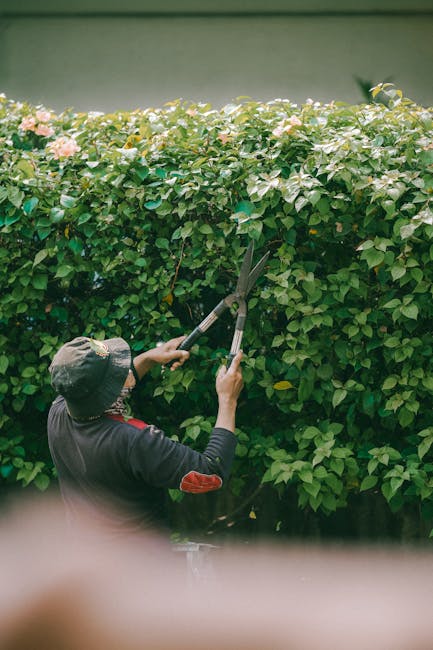
Light, regular trimming is usually better than a once-a-year haircut. That is especially true for hedges and boundary growth. If shaping is part of the work, hedge trimming techniques can help you think more carefully about form and function.
Keep the park friendly, not just tidy
People use parks in different ways: sitting, chatting, walking dogs, meeting children after school, or just taking five minutes to breathe. Maintenance should support that variety. A good bench, a clean path, or a shaded edge can matter as much as a perfectly weeded bed.
Think about soil, not just surface appearance
Healthy soil is the quiet engine under everything. If it is compacted or low in organic matter, plants struggle and maintenance becomes harder. Composting suitable green waste and using well-rotted organic matter can make a noticeable difference. For a plain-English guide, see harnessing waste to cultivate nourishing soil.
Plan for dog traffic
Many park users are walking dogs, so maintenance should anticipate wear, scent marking, and occasional mess. Clear sightlines, robust planting, and sensible edging help. If this is a big concern, you may also find the piece on dog-approved garden ideas surprisingly relevant.
Use containers where the ground needs breathing room
Containers are not just for private patios. In the right spots, they can soften hard edges, add colour, and protect delicate species from damage. They also give you flexibility when planting areas need to be rotated or rested. The article on container gardening covers the basics well.
And one small note from experience: if a task can be done in ten minutes and you know it will make the whole place look calmer, do that task. It sounds obvious, but community spaces improve through a hundred tiny decisions, not one heroic weekend.
Common Mistakes to Avoid
Community park maintenance goes wrong in predictable ways. The good news is that most of them are easy to avoid once you know what to look for.
- Over-pruning. Cutting too much at once can leave plants stressed and exposed. It can also create ugly gaps that invite weeds.
- Ignoring root problems. If a plant keeps failing, the issue may be drainage, soil compaction, or shade, not the plant itself.
- Using the wrong plant for the spot. A lovely plant that cannot handle trampling, drought, or wind becomes maintenance debt fast.
- Letting weeds reach seed stage. This turns a small job into a recurring one.
- Forgetting accessibility. Narrowing paths with overgrowth may look charming to some people, but it can cause real problems for pushchairs, mobility aids, and general foot traffic.
- Working without a plan for waste. Piles of cuttings, broken branches, and litter need a clear route out.
- Trying to do everything at once. This is the classic volunteer mistake. It ends with tired people and half-finished beds.
There's also a quieter mistake: making the park look "finished" in a private-garden way when what it really needs is a public-space approach. In a community setting, durability matters more than decorative fussiness. Less precious, more resilient. That's the sweet spot.
Tools, Resources and Recommendations
You do not need a huge toolkit to maintain a community park sensibly. In fact, too many tools can slow people down. Keep it simple and shared where possible.
Useful tools
- Sturdy gloves
- Bypass secateurs for clean pruning cuts
- Small hand fork or trowel for weeding
- Light rake for leaves and debris
- Spade or border spade for heavier work
- Wheelbarrow or garden trug for moving material
- Brush or broom for paths and hard surfaces
- Watering can or hose access where permitted
Practical resources
For maintenance planning, a simple shared log is often enough. It can list what was done, what needs attention next, and any problem spots. A phone note, clipboard, or basic spreadsheet will do the job. Fancy is optional.
If you need support with bigger jobs, it can help to know what specialist services are available and what each one is for. For example:
- garden maintenance for routine upkeep and regular care
- lawn care when the grass needs healthier long-term management
- lawn mowing for clean, consistent grass presentation
- patio cleaning for paths, seating areas, and hard-standing surfaces
- landscaping for larger design or repair changes
- tree surgery where tree safety or canopy management is a concern
- fencing if boundary control or protection needs attention
- hedge trimming in Haggerston when structured cutting is part of the job
If you are deciding whether to take on a job yourselves or book help, think about scale, access, and risk. Light tidying is perfect for volunteers. Larger cuts, tree work, and anything involving awkward access are better left to people properly equipped for it.
Law, Compliance, Standards, or Best Practice
For shared outdoor spaces in the UK, best practice matters even when a specific rule is not obvious to the casual eye. The key idea is simple: keep the space safe, accessible, and responsibly maintained.
That usually means a few common-sense standards. Avoid leaving obstructive growth across paths. Keep tools and waste managed carefully. Be cautious around trip hazards, unstable branches, slippery surfaces, and anything that could create a preventable incident. If work is being carried out by a team or volunteers, use sensible safety briefings and clear task allocation.
For more formal service work, the site's health and safety guidance and insurance and safety information are useful reference points. Where there is uncertainty around contracts, payment, or process, it also helps to review the relevant pages such as terms and conditions and payment and security.
There's also a practical accessibility angle. Shared spaces should remain usable for as many people as possible. That means avoiding overgrown pinch points, keeping entrances sensible, and not creating hidden obstacles with casual plant spread. If a path works only when you are wearing boots and walking carefully, it probably needs attention.
Finally, good best practice includes handling complaints and feedback well. In community settings, people notice quickly when something is off. A clear route for concerns can stop little issues becoming big ones. The pages on complaints procedure, privacy policy, cookie policy, accessibility statement, and modern slavery statement support that wider trust picture.
Options, Methods, or Comparison Table
There is more than one way to maintain a community park. The right approach depends on budget, volunteer time, plant maturity, and how heavily used the space is.
| Method | Best for | Strengths | Limitations |
|---|---|---|---|
| Volunteer tidy-ups | Light, regular care | Low cost, community involvement, flexible scheduling | May be inconsistent without coordination |
| Scheduled professional maintenance | Reliable upkeep and heavier tasks | Consistent standards, better for pruning, lawns, and larger clean-ups | Costs more and needs planning |
| Mixed approach | Most community parks | Balances local ownership with technical support | Requires clear communication |
| Seasonal intensive maintenance | Problem areas and reset jobs | Good for recovery after neglect or weather damage | Can create gaps between sessions if not followed up |
In most real-world situations, the mixed approach works best. Volunteers can handle the visible, regular work, while professionals step in for specialist tasks like hedge shaping, tree work, or serious turf recovery. That is usually the least stressful option, honestly.
Case Study or Real-World Example
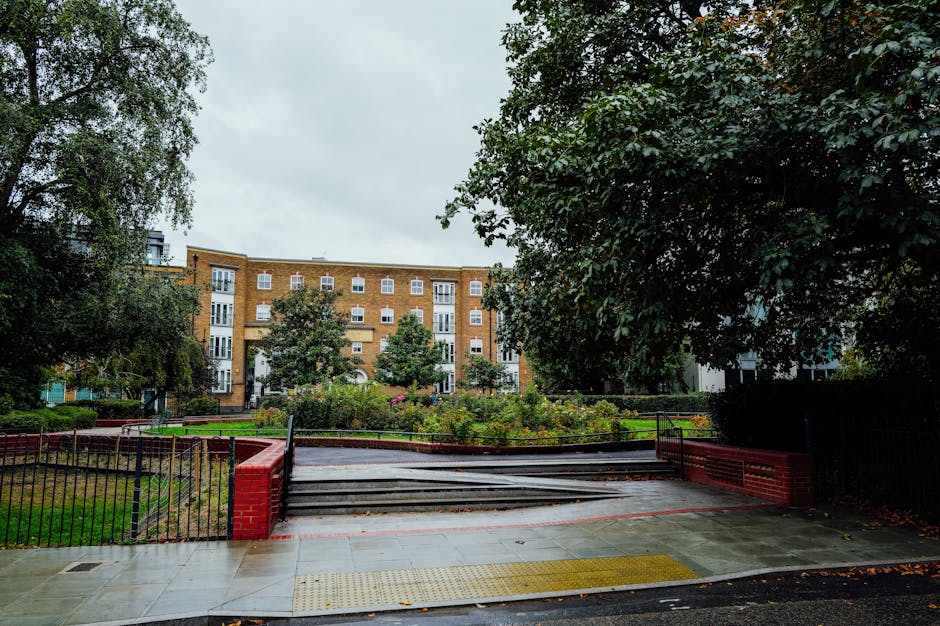
Imagine a small section of Haggerston Park that had started to look tired by late summer. The border nearest the path was full of weeds, one shrub had flopped outward, and the edge of the lawn had gone thin from people cutting across it. Nothing dramatic. Just enough to make the space feel neglected.
A local gardener's first move would likely be simple: clear the litter, cut back the overhanging growth, lift and remove the worst weeds, and add mulch where the soil was exposed. Next, they would check whether the worn lawn edge needed resting, reseeding, or a different barrier to stop repeated trampling. If the area was also used by dog walkers, the solution would need to be robust rather than delicate.
What made the biggest difference would not be one big intervention. It would be the follow-up. A second visit two weeks later to check regrowth. A small adjustment to the path edge. A bit more mulch. Maybe a new tough ground cover plant in the weakest spot. That is how a scruffy patch starts to feel like part of the park again.
In a real community setting, this kind of improvement often becomes visible to everyone very quickly. People notice tidy edges. They notice when the park feels easier to move through. They notice when a space feels cared for. And then, a lovely thing happens: they usually start caring back.
Practical Checklist
Use this checklist for regular Haggerston Park upkeep.
- Walk the site and note obvious hazards
- Remove litter, fallen branches, and loose debris
- Check paths, entrances, and seating for obstructions
- Cut back overgrowth that blocks access or sightlines
- Weed before seeds spread
- Top up mulch or ground cover where soil is bare
- Inspect for signs of compacted soil or poor drainage
- Water young or stressed planting where needed
- Trim hedges and edges lightly rather than severely
- Record problem spots for the next visit
- Separate recyclable green waste from general rubbish where possible
- Ask for help with any task that feels unsafe or too large
If you can complete even half of that list consistently, the difference in a community park is usually very noticeable. Not glamorous. Just solid, reliable improvement. Which, in fairness, is what most public green spaces really need.
Get a free quote today and see how much you can save.
Conclusion
Haggerston Park community maintenance tips from local gardeners are really about one simple idea: treat the park like a living shared space, not a one-off project. Keep the work regular. Make it practical. Focus on the issues that affect use, safety, and plant health. Choose resilient planting, manage weeds early, and don't let small problems snowball into bigger ones.
When local gardeners, volunteers, and nearby residents bring that steady attention, the park becomes more than tidy. It becomes dependable, usable, and quietly welcoming. And that matters on the grey days as much as the sunny ones.
In the end, a well-cared-for community park is a sign that people still notice one another and the spaces they share. That's worth looking after.
Frequently Asked Questions
What are the most important Haggerston Park community maintenance tips from local gardeners?
The most important tips are to inspect regularly, clear litter and debris early, manage weeds before they spread, protect bare soil with mulch or ground cover, and keep paths and access points clear.
How often should a community park be maintained?
Light checks are best done weekly or fortnightly, with seasonal work layered on top. After heavy rain, strong wind, or a busy community event, it makes sense to do an extra walk-through.
What should local gardeners focus on first?
Start with safety and access: paths, entrances, loose debris, and overgrown edges. Once the basics are under control, move to weed removal, pruning, soil care, and planting health.
Can volunteers handle most park maintenance?
Yes, for routine tasks like litter picking, light weeding, deadheading, and tidying. For larger pruning, tree work, or serious turf issues, professional help is usually the safer choice.
What plants work well in a busy community park?
Tough, low-maintenance plants that tolerate foot traffic, wind, and changing conditions are usually best. Ground cover and hardy shrubs often perform better than fragile ornamentals in exposed spots.
How do you stop weeds from taking over shared planting beds?
Use regular weeding, mulch exposed soil, and fill gaps with suitable planting. The key is consistency. If weeds reach seed stage, the job gets much harder, and everyone feels it.
Is hedge trimming important in a community space?
Very much so. Hedges can define boundaries, protect planting, and keep paths open. Light, regular trimming is usually better than letting them grow too large and cutting them back harshly later.
What are the biggest mistakes in community park care?
Common mistakes include over-pruning, ignoring drainage problems, using unsuitable plants, and letting maintenance become irregular. Another big one is forgetting accessibility while chasing a neat look.
How do weather changes affect park maintenance in London?
Wind can flatten growth, rain can compact paths and expose soil, and dry spells can stress young planting. Seasonal flexibility matters, because one week can look completely different from the next.
When should professional gardeners be brought in?
Bring in professionals when the work is too large, too technical, or too risky for volunteers. Tree work, major hedge reshaping, lawn recovery, and drainage-related landscaping are good examples.
What's the best way to keep a park looking cared for without spending too much?
Prioritise the visible high-impact jobs: paths, edges, weeds, and problem plants. Small regular actions often create a better result than occasional big spending.
How can community maintenance stay organised?
Use a simple task log, assign clear responsibilities, and revisit the same key areas each time. A shared checklist helps avoid duplication and makes progress easier to track.
Can park maintenance improve biodiversity as well as appearance?
Yes. Healthy soil, appropriate planting, less chemical interference, and sensible seasonal care all help pollinators, birds, and soil life. A tidy park can still be ecologically useful.
Where can I learn more about related garden care topics?
Useful follow-up reading includes guides on weeds, winter protection, weather resilience, ground cover, hedge trimming, and soil improvement. Those topics all feed into stronger community maintenance outcomes.