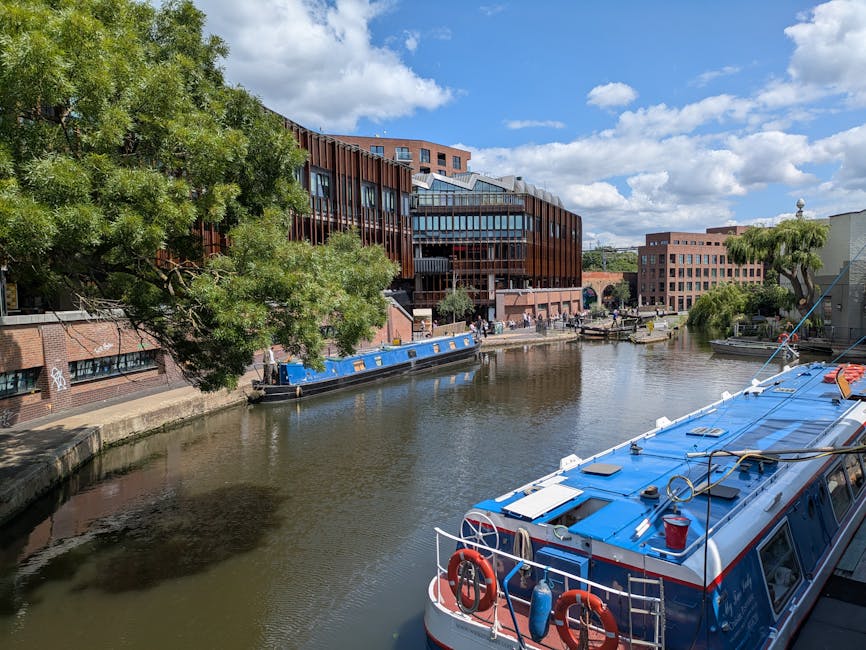
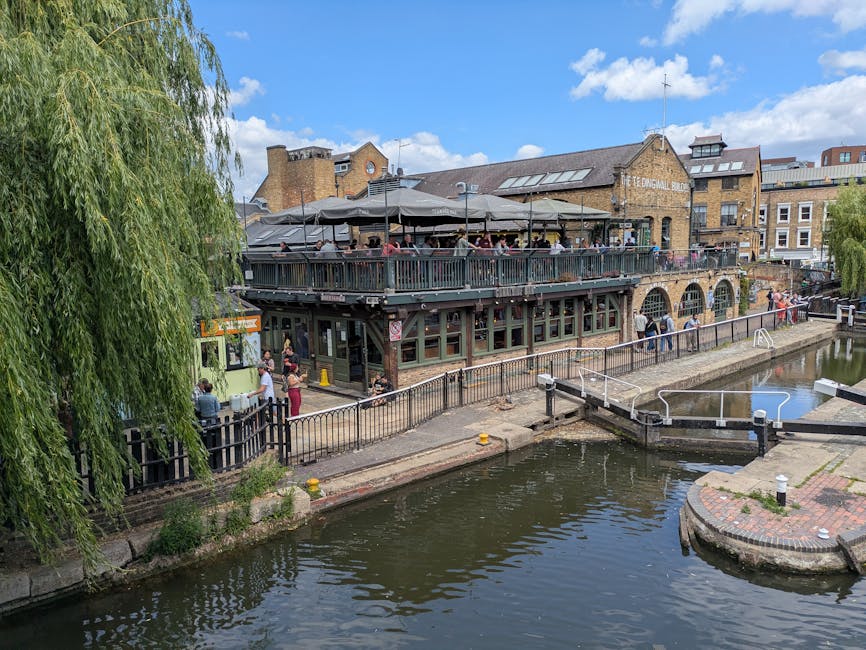
Regents Canal bank pruning and gardeners service in Haggerston
If you live or work near the canal, you already know the charm is part of the appeal: the light on the water in the morning, the narrow green edges, the mix of wild growth and carefully kept gardens. But that same setting brings its own headaches. Regents Canal bank pruning and gardeners service in Haggerston is not just about making things look neat; it is about managing fast-growing plants, keeping access clear, reducing overgrowth near paths and boundaries, and helping waterside spaces stay healthy through the seasons.
In practice, that means more than a quick hedge clip. It can include selective pruning, ivy control, tidy-up work after wind or rain, planting adjustments, and regular garden maintenance that suits the pressures of a canal-side location. This guide walks through how it works, what to expect, where the risks are, and how to decide whether a professional gardeners service is the right fit for your Haggerston property.
Why Regents Canal bank pruning and gardeners service in Haggerston Matters
Canal-side planting behaves differently from a typical front garden. The soil can be uneven, exposed, compacted, or shaded by buildings and boundary walls. You may get pockets of damp growth where one area mushrooms with ivy and bramble, while another dries out and thins. That patchwork is part of the character, but it also means pruning has to be thoughtful, not heavy-handed.
In Haggerston, the canal corridor is close to busy paths, homes, businesses, and shared outdoor spaces. Overgrown banks can block light, creep across access routes, and make simple maintenance jobs snowball into much larger ones. To be fair, most problems do not start dramatically. They begin with a few stems leaning where they should not, then suddenly a whole section feels untidy and harder to manage.
Good pruning protects the shape and health of the planting while preserving the softer, natural look that many people want beside the water. It also helps reduce trip hazards, improves sightlines, and keeps maintenance manageable across the year. If the area has dense climbing growth, the wrong cut can make things worse. That is why a local, practical approach matters.
There is also the simple matter of neighbourly respect. Canal bank work can create debris, affect shared boundaries, and interrupt foot traffic if it is not planned properly. A sensible gardeners service will consider timing, waste removal, and how the work fits around the rhythm of the site. A neat finish is good; a considerate finish is better.
How Regents Canal bank pruning and gardeners service in Haggerston Works
The process usually starts with a site review. A gardener looks at what is growing, how quickly it is spreading, whether there are trees or shrubs that need selective work, and whether any plants are stressed by shade, wind, or previous overcutting. It is not uncommon to find a garden that looks like it only needs trimming, when in fact the root issue is overcrowding or poor planting choice.
From there, the work is typically split into a few practical stages:
- Assessment and access planning: The gardener checks where the bank is steep, where tools can safely be used, and how to avoid damaging nearby plants or property.
- Selective pruning: Rather than shearing everything flat, healthy growth is reduced strategically so the plant keeps its shape and vigour.
- Cutting back invasive growth: Ivy, self-seeded saplings, bramble, and thick climbers are reduced or removed where they are causing congestion.
- Border and edge tidying: This helps define the garden and keeps paths, rail edges, and boundary lines cleaner and safer.
- Waste clearance: Branches, cuttings, and green waste are collected, bagged, and taken away or processed according to the agreed service.
- Aftercare guidance: You may be advised on watering, mulching, follow-up pruning, or replanting if the bank needs strengthening.
For more routine garden care, some clients pair canal bank pruning with ongoing garden maintenance so the site does not slip back into overgrowth. Others use a broader package that includes professional gardening services when the work spans pruning, planting, and seasonal tidying.
In our experience, the best results come from slow, measured decisions rather than a dramatic chop. If a plant is leaning into a path, you do not always need to remove it entirely. Sometimes it only needs weight reduction, better spacing, or a little training. That distinction matters more than most people think.
Key Benefits and Practical Advantages
Regular canal bank pruning is one of those jobs that quietly improves everything else around it. You may not notice it for five minutes after the work is done, then suddenly the whole space feels easier to use. Light comes through. Edges are visible. The garden breathes a bit.
- Safer movement: Clearer banks and paths reduce the chance of slips, snagged clothing, and hidden trip points.
- Better plant health: Selective pruning improves airflow and light penetration, which helps many shrubs and climbers recover.
- Cleaner sightlines: Tidier growth makes waterfront and boundary areas easier to supervise, especially in shared spaces.
- Lower long-term workload: Regular, lighter pruning is easier and often cheaper than allowing growth to get out of hand.
- Improved appearance: A neat canal edge makes a big visual difference, especially in a high-footfall neighbourhood like Haggerston.
- Better response to weather: Well-managed planting tends to cope better with wind, rain, and seasonal dieback.
There is a design benefit too. A controlled canal bank can look relaxed and natural without becoming messy. That balance is harder to achieve than it sounds. If you want proof, compare a heavily overgrown edge with one that has been pruned just enough to show intention. The second one usually feels calmer immediately.
For some properties, pruning also supports wider improvements. A cleaner bank can make room for new ground cover, easier edging, or a more coherent layout. If you are thinking about adding low-maintenance planting, the article on fantastic ground cover plants for UK gardens may give you useful ideas for stabilising awkward spaces.
Who This Is For and When It Makes Sense
This kind of work is relevant to more people than you might expect. It is not only for large gardens or visibly overgrown sites. In a place like Haggerston, even a small waterside plot can need careful pruning because the conditions are so changeable.
You may need canal bank pruning and a local gardeners service if you are:
- a homeowner with a back garden edging toward the canal
- a landlord keeping a rental property presentable and safe
- a housing manager dealing with shared outdoor space
- a business owner maintaining frontage near the waterside
- a resident whose planting has become too dense, shaded, or difficult to access
It makes sense when you are seeing one or more of these signs: growth is spilling into paths, ivy is taking hold, shrubs are losing shape, or maintenance has become so awkward that you keep putting it off. Let's face it, that last one happens a lot.
If the bank is already tangled with climbers, a more targeted approach is often needed. A useful companion read is your ultimate guide to banishing ivy once and for all, especially if ivy is choking trees, fences, or masonry nearby.
There is also a seasonal angle. Late winter and early spring are common times to reassess structure, while summer may be better for controlled shaping depending on the plant species. Autumn clean-ups are useful too, especially after long spells of rain or wind.
Step-by-Step Guidance
If you want to understand how a good service is carried out, here is a practical version of the process. It keeps things simple, but not simplistic.
- Walk the site properly. Look at the whole bank, not just the obvious problem area. Overgrowth often connects from one end to the other.
- Identify what should be kept. Some growth is valuable for habitat, screening, or soil stability. Not everything dense is bad.
- Separate pruning from clearing. Pruning shapes living plants; clearing removes unwanted material. Mixing the two up leads to rough results.
- Work from the top down. That usually keeps debris out of already finished areas and reduces the chance of accidental damage.
- Take little by little. On an established bank, a small reduction can look dramatic enough. Overcutting is the classic mistake.
- Check for regrowth points. Ivy, willow-like shoots, and hardy climbers often return from forgotten stubs if they are not handled thoroughly.
- Clear and inspect again. Once the cuttings are gone, problems you could not see before often become obvious.
- Plan the next visit. The best canal bank work is usually maintained in stages rather than as a one-off rescue.
A straightforward way to think about it: first restore order, then keep it. Simple enough to say, a bit more work to do properly. But worth it.
If you are gathering tools or budgeting for a broader tidy-up, the committed garden enthusiast toolkit can help you think about what belongs in a serious maintenance routine, while pricing and quotes is the natural next stop if you want a clearer idea of costs for a professional visit.
Expert Tips for Better Results
Canal-side pruning rewards restraint. The people who do it well usually think about shape, structure, and future growth rather than just the immediate mess.
- Prune with the final shape in mind. A good cut should make sense three months from now, not only today.
- Protect the bank surface. On soft or sloping ground, repeated foot traffic can be more harmful than the pruning itself.
- Use layered cuts for thick growth. Thick ivy or mixed scrub often needs several passes, not one aggressive session.
- Keep wildlife in mind. Canal corridors can support birds, insects, and small mammals, so avoid unnecessary disturbance.
- Match planting to conditions. If a spot is always damp or windy, choose species that are happier there rather than fighting the site every year.
- Make room for recovery. Plants trimmed in one season may need a gentler touch in the next.
A tiny real-world observation: the best-pruned canal edges rarely look "finished" in the decorative sense. They look believable. That is a good thing. A bit of softness helps the space feel natural instead of clinical.
If the issue is wind exposure around the canal, it may also help to think beyond pruning. The article on dealing with excessive wind gives practical context on how exposed gardens behave, while fortifying your garden for unpredictable weather is useful if the site takes a battering in winter.
And if you are aiming for a calmer garden feel after the hard work is done, zen oasis ideas for a calm outdoor sanctuary is a nice follow-on for layout and mood.
Common Mistakes to Avoid
Most pruning mistakes are not dramatic. They are small errors repeated over time, which is why they are so annoying. One rushed job can create months of awkward regrowth.
- Cutting too much at once: Heavy reduction can stress plants and leave the bank looking bare and exposed.
- Ignoring root spread: Some climbers and shrubs regrow from hidden stems or roots if they are only superficially cut.
- Forgetting access and safety: Steep or damp banks need a careful setup, not just enthusiasm and boots.
- Removing useful cover: Not every dense patch is a problem; some sections may be holding soil in place.
- Pruning at the wrong time: The timing matters for flowering shrubs, bird habitat, and plant recovery.
- Leaving arisings behind: Wet cuttings can smother smaller plants and make the space feel untidy all over again.
Another common slip is treating canal bank work like standard hedge trimming. It is related, sure, but not identical. If you want to see the technique differences explained more visually, the guide to the art of crafting shapes in hedge trimming is a handy reference point.
There is also a tendency to ignore what happens after the first cut. That is where services like lawn care or lawn mowing can matter if your canal-side garden flows into a broader domestic space that needs consistent upkeep.
Tools, Resources and Recommendations
You do not need a van full of kit to manage a canal-side space well, but the right tools make a huge difference. For professionals, that usually means hand pruners, loppers, saws, clearance bags, protective gloves, and sometimes longer-reach tools for awkward sections. On steep banks, stability and reach matter just as much as cutting power.
For DIY-minded owners, a modest kit is often enough for light maintenance:
- bypass secateurs for fresh stems
- loppers for thicker growth
- a pruning saw for woody stems
- gardening gloves with grip
- a rake for collecting debris
- heavy-duty bags or bins for green waste
Resources worth considering inside the wider site are those that help you make better decisions before you start cutting. For instance, three crucial tips for tackling weeds is especially useful where unmanaged edges have become part of the problem. If your boundary planting is the issue, nine hedges to quickly enhance privacy in your garden can help you think about replacement planting after clearing.
For broader support, some property owners prefer to start with an overview of the company's about us page before booking a visit, especially if they want a sense of the team's approach to local work. If you are dealing with a mixed property, landscaping may be relevant too, since bank pruning sometimes leads naturally into reshaping borders or improving drainage.
Law, Compliance, Standards, or Best Practice
With canal-side work, safety and due care matter more than bravado. You do not need to turn every prune into a legal exercise, but there are sensible standards to follow. In the UK, it is generally expected that anyone carrying out gardening or pruning works does so with appropriate regard for property boundaries, public access, safe waste handling, and personal safety.
Best practice usually includes:
- checking who owns or manages the affected land before carrying out major work
- avoiding unnecessary disturbance to adjoining property or shared routes
- working carefully around slippery slopes, water edges, and hidden uneven ground
- using suitable protective equipment
- disposing of green waste responsibly
- taking extra care where nesting birds or other wildlife may be present
That last point is worth slowing down for. Canal environments often support more wildlife than people realise, even in built-up areas. So if you are removing thick cover or old growth, timing and restraint are sensible. If in doubt, the safest approach is usually to pause and assess rather than rush.
For service-related peace of mind, some readers also like to review practical policy pages such as health and safety policy, insurance and safety, and terms and conditions. They are not glamorous reads, admittedly, but they do help set expectations clearly.
If payment process and data handling matter to you before booking, payment and security and privacy policy are worth a quick look. Nobody enjoys surprises there.
Options, Methods, or Comparison Table
Not every canal-side job needs the same approach. Sometimes a light tidy is enough. Sometimes you need a bigger intervention with follow-up visits. Here is a practical comparison.
| Approach | Best for | Pros | Trade-offs |
|---|---|---|---|
| Light seasonal pruning | Managed gardens with modest regrowth | Quick, tidy, low disturbance | Not enough for heavy ivy, bramble, or neglected banks |
| Selective reduction | Established shrubs, climbers, and mixed planting | Keeps shape, supports plant health, looks natural | Needs more judgment and experience |
| Clearance and reset | Overgrown or inaccessible canal edges | Creates a clean slate and improves access | May look bare at first; needs replanting or aftercare |
| Maintenance programme | Sites that grow fast or see regular use | Keeps standards consistent across the year | Requires ongoing commitment |
If you are deciding between a one-off tidy and regular support, think about how quickly the space grows back. Some canal edges are calm for months. Others seem to change by the week, especially after damp weather and mild spells. It happens.
For property owners who want a broader refresh, the combination of tree surgery, fencing, and targeted pruning can solve more problems than a trim alone. The point is to match the method to the site, not the other way round.
Case Study or Real-World Example
A good example is a small Haggerston garden that backed onto a canal-facing boundary. The owner had let a mixed patch of ivy, self-seeded saplings, and tangled shrubs build up over two seasons. At first glance, it looked like a simple tidy. In reality, the bank had become uneven, the path edge was narrowing, and the back corner felt dark and slightly oppressive.
The solution was gradual rather than dramatic. The work started by removing dead material and cutting back the most intrusive growth. Ivy was reduced carefully instead of being ripped out in one go, because it was intertwined with a few plants worth keeping. Then the shrubs were reshaped to open up light without exposing the whole boundary. After that, the area was cleared properly and left with a cleaner line against the path.
The change was subtle but clear. The garden looked larger. It felt safer. And, perhaps most importantly, the owner could keep on top of it afterwards without dreading the next round of growth. That is usually the best sign a job has been done properly: it becomes easier to live with, not just easier to look at.
If the same site had included a tired seating area or weather-worn hard landscaping, it might have made sense to pair the pruning with patio cleaning or even decking services so the whole outdoor space felt coherent. Little improvements stack up faster than most people expect.
Practical Checklist
Use this before booking work or starting a canal-edge tidy yourself. It keeps decisions sensible, which is half the battle.
- Check whether the growth is simply untidy or genuinely causing access problems.
- Identify any ivy, bramble, saplings, or climbers that need specialist attention.
- Decide what should be kept for privacy, screening, or stability.
- Look for steep, wet, or uneven areas that may need extra care.
- Confirm how waste will be collected and removed.
- Think about timing around nesting season and seasonal plant recovery.
- Consider whether follow-up maintenance is better than a one-off rescue.
- Review any relevant service policies before booking.
- Make sure access for tools, bags, and waste is realistic.
- Ask for a clear explanation of what will be pruned, removed, or left alone.
A quick reminder: the right answer is not always "more cutting". Sometimes it is "better planning". Sounds obvious, but people miss it all the time.
Get a free quote today and see how much you can save.
Conclusion
Regents Canal bank pruning and gardeners service in Haggerston is really about balance. You want enough control to keep the space safe, tidy, and enjoyable, but not so much intervention that the bank loses its character. The best work respects the living structure of the garden, the practical realities of canal-side maintenance, and the pace at which plants respond across the seasons.
If you are dealing with overgrowth, awkward access, or a garden that feels harder to manage every month, a local professional service can turn it from a problem area into one of the best parts of the property. And honestly, there is something satisfying about that first clean look after the work is done. The space just exhales a bit.
With the right approach, a canal bank does not have to be a maintenance burden. It can be one of the reasons your Haggerston outdoor space feels calm, cared for, and properly yours.
Frequently Asked Questions
What does Regents Canal bank pruning involve?
It usually means cutting back overgrown shrubs, climbers, ivy, bramble, and other vegetation along canal-facing edges while keeping the planting healthy and the area accessible.
How often should canal bank pruning be done in Haggerston?
That depends on how fast the site grows, but many gardens benefit from seasonal checks and lighter maintenance throughout the year rather than one large cut every so often.
Is canal bank pruning the same as hedge trimming?
No. Hedge trimming is generally more formal and repetitive, while canal bank pruning often involves mixed growth, uneven ground, and more selective judgment.
Can ivy be removed from canal-side gardens safely?
Yes, but it needs care. Ivy often grows through other plants and structures, so it is better handled gradually to avoid damage and regrowth problems.
What are the biggest risks with waterside pruning work?
The main risks are slips, uneven ground, overcutting, hidden debris, and disturbing useful planting or wildlife cover. Good planning reduces most of those issues.
Do I need professional gardeners for a small canal-side garden?
Not always, but if the space is steep, tangled, or hard to access, a professional service can save time and prevent a messy first attempt.
Will pruning damage plants along the canal bank?
It should not, if it is done carefully. The goal is usually to thin, shape, or reduce growth rather than strip plants back to nothing.
What should I do with the cuttings and green waste?
Plan it before the work starts. A good service will include collection or clearing, which matters more than people sometimes expect because wet arisings can make a site look untidy very quickly.
Is there a best season for canal bank pruning?
There is no single perfect season for every plant, but late winter, early spring, and post-flush summer maintenance are common times to review the space. The plant type matters.
Can canal bank pruning improve privacy?
Yes, in moderation. Selective pruning can keep screening in place while preventing the garden from becoming too heavy or closed-in. If you want more privacy ideas, privacy hedges for the garden is a helpful read.
How do I know if my bank needs a full reset instead of a tidy-up?
If access is difficult, growth is layered and tangled, or previous maintenance has not worked, a reset may be more sensible than another light trim. Sometimes you need to start properly fresh.
How can I get a quote for canal bank pruning in Haggerston?
The simplest next step is to use the site's contact route and request an assessment. If you want to compare options first, the contact page is the place to begin.